Puntos clave
- In 1894 a Trøndelag paper reported snow measured up to seven alen over the Geiranger roadway. That is roughly 4.4 metres, standing above the road surface rather than beside it.
- A traveller writing on 10 July 1900 found snow lying right down to the houses at Djupvasshytta, with the lake's winter ice still wholly untouched.
- In February 1903 a large avalanche passed directly by the Gjørvagaardene, the Gjørva farms, with enough pressure behind it to do damage without touching them.
- Two papers reported that when an avalanche destroyed houses in January 1922, the residents were all at Maråk, some of them at a party. Both agreed that lives would otherwise have been lost.
A place that spent half the year shut
Almost everyone who reads this will see Geiranger between May and September, arriving on a road that is open, under mountains that are green and streaked with waterfalls. That is a real Geiranger, and it is also a seasonal one.
The newspaper record of this valley between 1894 and 1930 is largely a record of snow. Not scenery, and not skiing: snow as an obstacle, an expense and occasionally a threat. Papers from Trondheim, Kristiansund, Ålesund, Bergen and the Gudbrandsdal valley all followed it, because the road over the mountain to Geiranger mattered to a great many people who did not live there.
What follows is that record, in their words and their measurements. It is the half of this place a summer visit cannot show you, and it explains a good deal about what you will actually be looking at.
Geiranger avalanche history begins with a measurement
In April 1894 the Nordre Trondhjems Amtstidende reported that the snow at Geiranger had measured up to seven alen over the roadway [1]. The alen is an old Norwegian unit of about 62.7 centimetres, so seven of them is close to 4.4 metres, and the phrase the paper used was over the roadway rather than beside it. The road was not narrowed by snow that winter. It was under it.
The same report noted that weather conditions in the neighbouring Norangdalen had been difficult through the whole autumn and winter [1], which is the sort of detail that only appears when a season has been bad enough to be worth summarising.
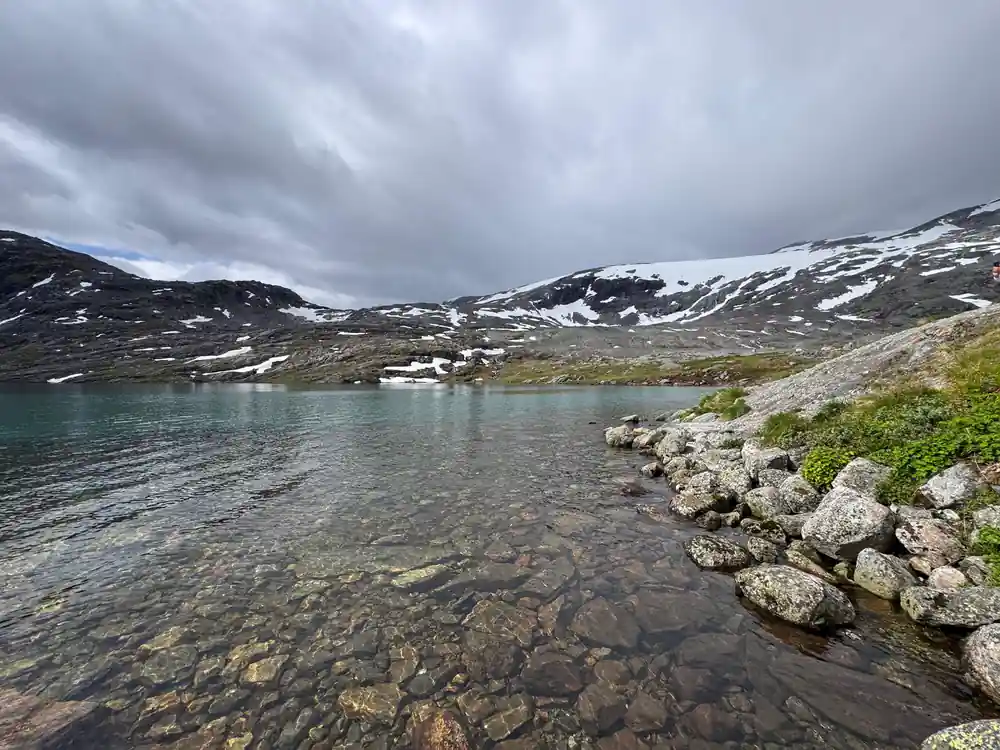
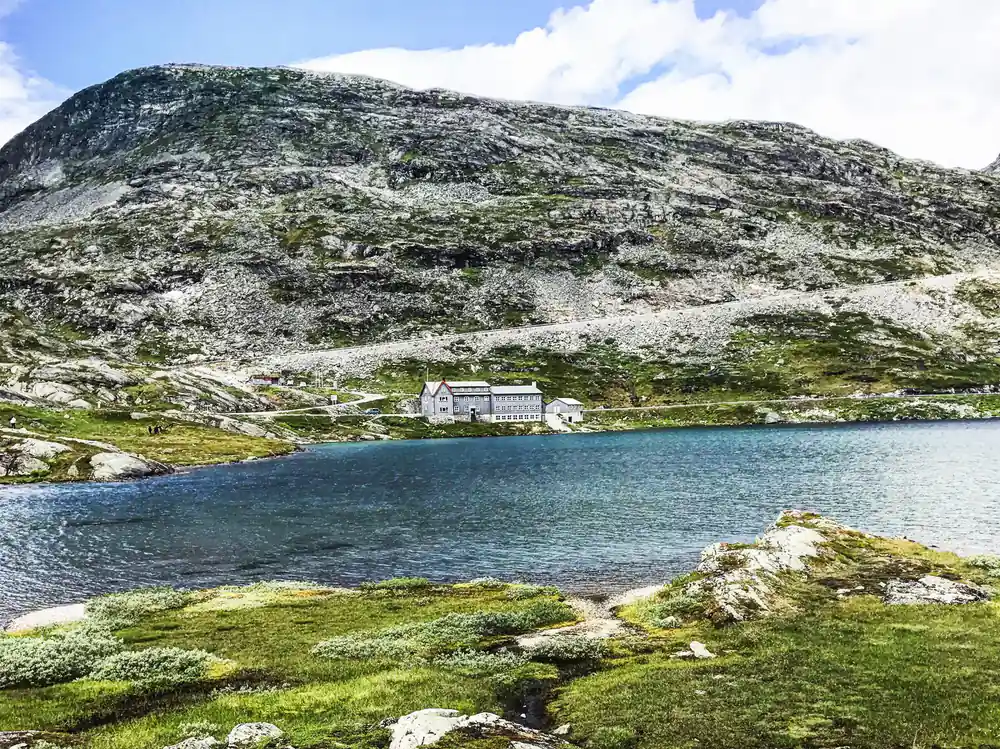
Six years later a traveller wrote in the Gudbrandsdølen about the last posting stage on the road toward Geiranger, at Djupvasshytta. Not only did the snow lie right down to the houses, the writer reported, but the lake's winter ice lay wholly untouched. That account was printed on 10 July [2].
The Gjørvagaardene and the winter of 1903
The Gjørva farms, the Gjørvagaardene, sat on the valley side above the fjord. The name survives today only as a street address near the village centre, which is a quiet way of saying the farms themselves are gone from public memory entirely.
In February 1903 the Møre Tidende reported that a large avalanche had come down at Geiranger on the Wednesday, passing directly by the Gjørvagaardene, and that the pressure travelling in front of it was strong enough to cause damage on its own [3].
That last detail is the one worth holding on to. An avalanche in a valley this steep does not need to reach a building to destroy it. The air pushed ahead of the moving snow arrives first, and it arrives faster.
The valley whose snow the Nordre Trondhjems Amtstidende measured at seven alen over the roadway in April 1894, roughly 4.4 metres standing above the road itself.
1907: the winter that needed a committee
The archive records 1907 differently from the other years, because in 1907 the response outgrew the event. In March the Søndmørsposten printed the membership of a committee formed to deal with the consequences of the avalanche disasters: three members of the parish council, named as P. M. Gjørva, P. T. Gausdal and Johan Ørjesæter [4].
Five days later the Namdalens Folkeblad, published on the other side of the country, carried the committee's assessment of what the snow avalanches had destroyed [5].
Two things follow from those two short notices. The first is that a single winter did enough harm to a small farming community that its parish council had to appoint people to count it. The second is that a newspaper in Namdalen thought its readers would want the committee's findings, which tells you the scale of it was national news.
The night the village was at a party
On 20 January 1922, two papers a fjord apart carried the same story.
The Søndmørsposten, writing in Nynorsk, reported that by great good fortune there had been no people in the houses when the avalanche came down. They had been at Maråk, some of them at a party there [6]. The Bergens Annonce Tidende, printing the same day, agreed and added the detail that the avalanche had broken down many telephone poles between Grande and Maråk, and stated plainly that lives would certainly have been lost had the residents not been away [7].
Because two independent papers reported it, this is one of the few things on this page that can be stated as fact rather than quoted. Houses in Geiranger were destroyed by snow in January 1922, and the people who lived in them survived because they had gone out for the evening.
When the road finally opened
The other half of the story is the waiting. Every year the mountain crossing had to melt before Geiranger could be reached overland at all, and the date it opened was itself news.
In June 1930 the Bergen paper Dagen reported that the road to Geiranger would certainly be passable by Whitsun, and noted that it was the first time in many years the crossing had been open so early [8]. Being open at the start of June was, in 1930, remarkable enough to print.
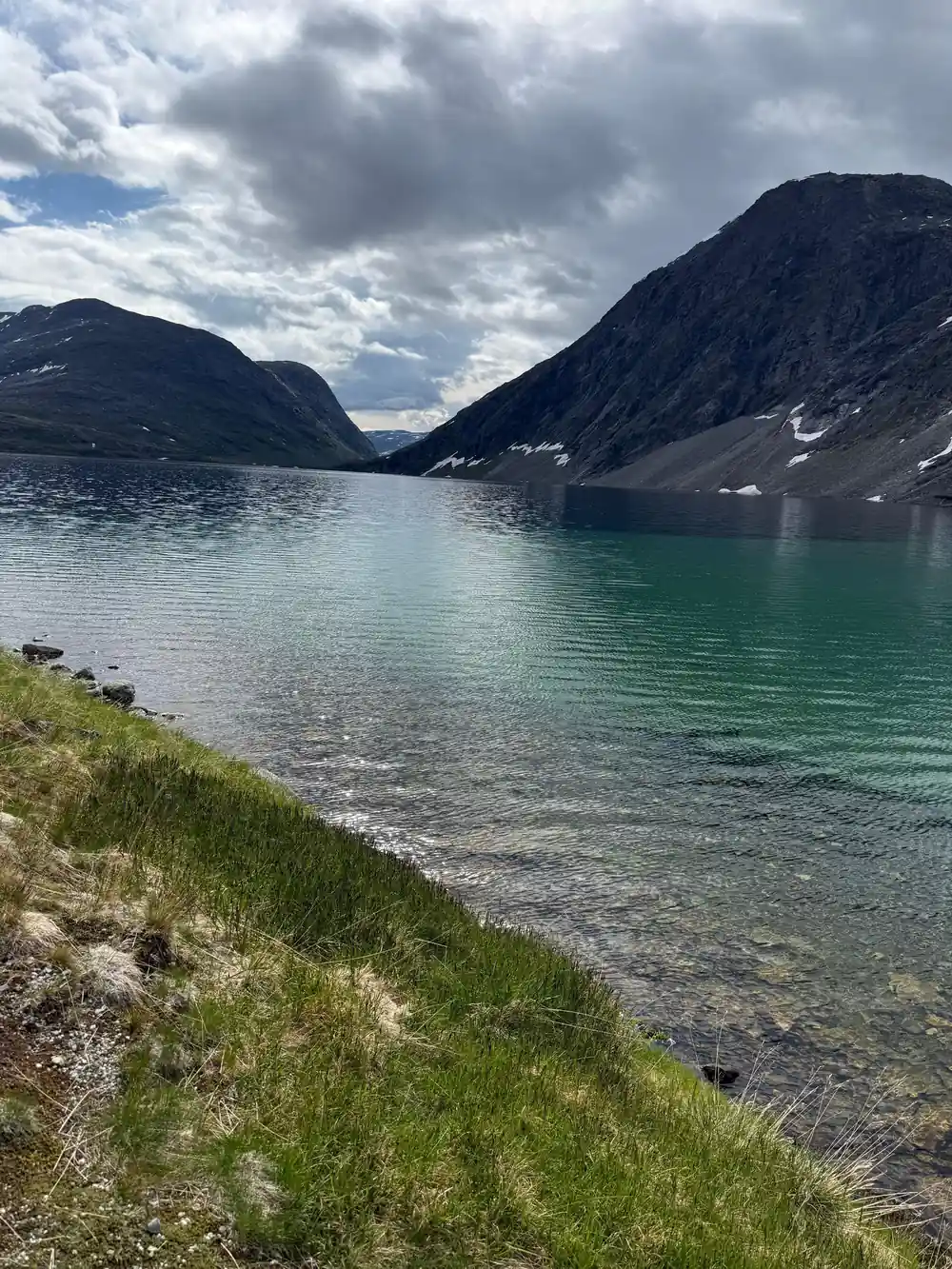
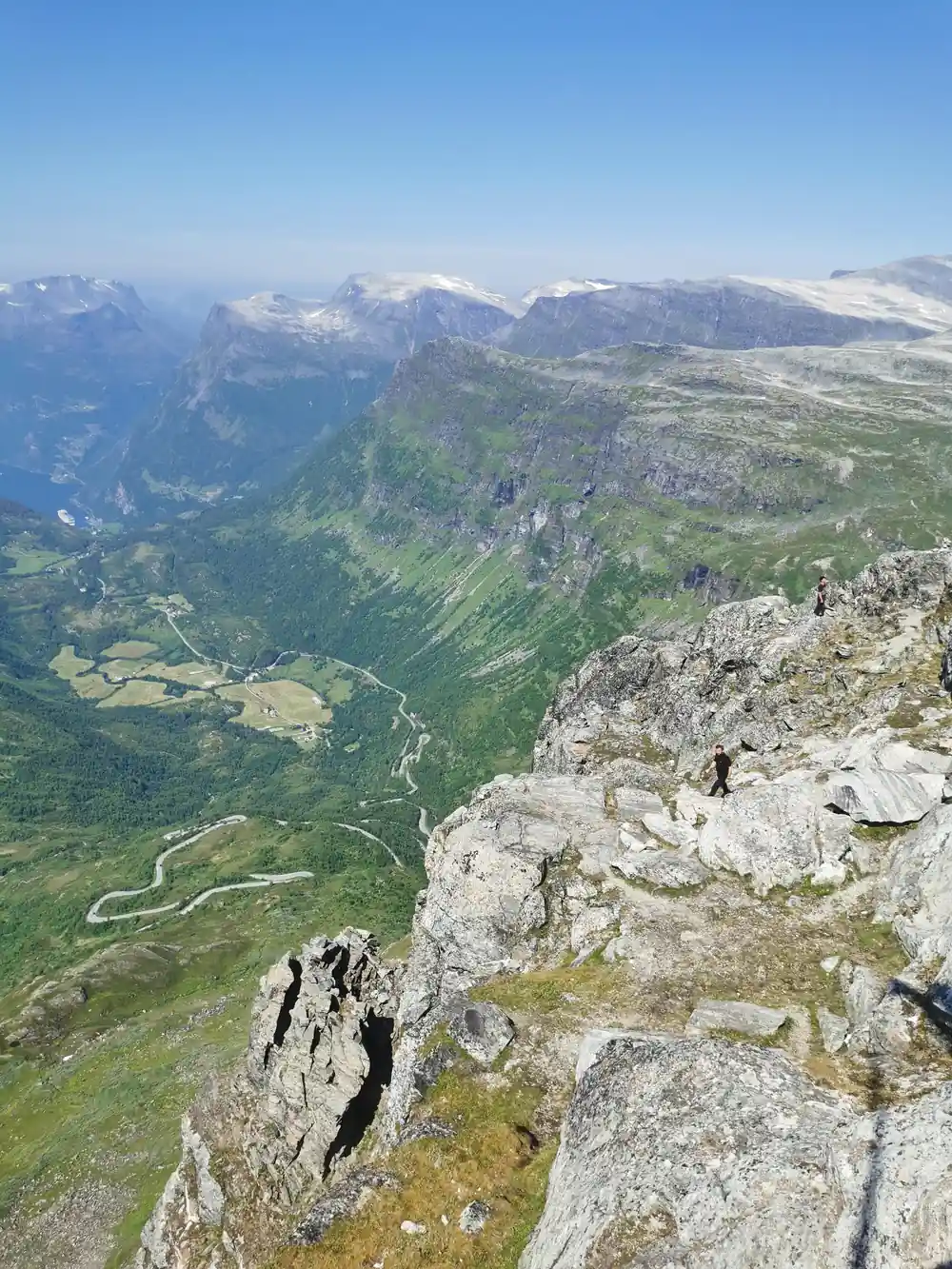
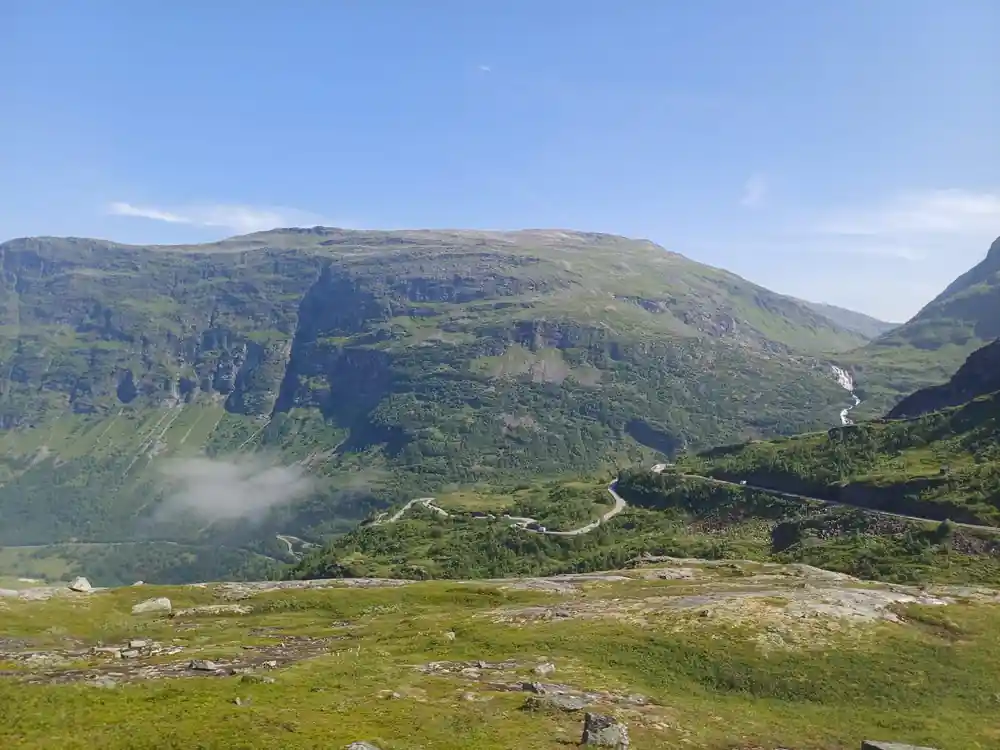
That is worth remembering on the drive up to Dalsnibba. The road you are on climbs past Djupvatnet to well over 1,000 metres, and it is closed by snow for a large part of every year even now. The season you are visiting in is not a detail of your trip. It is the reason the trip is possible at all.
What this changes about the view
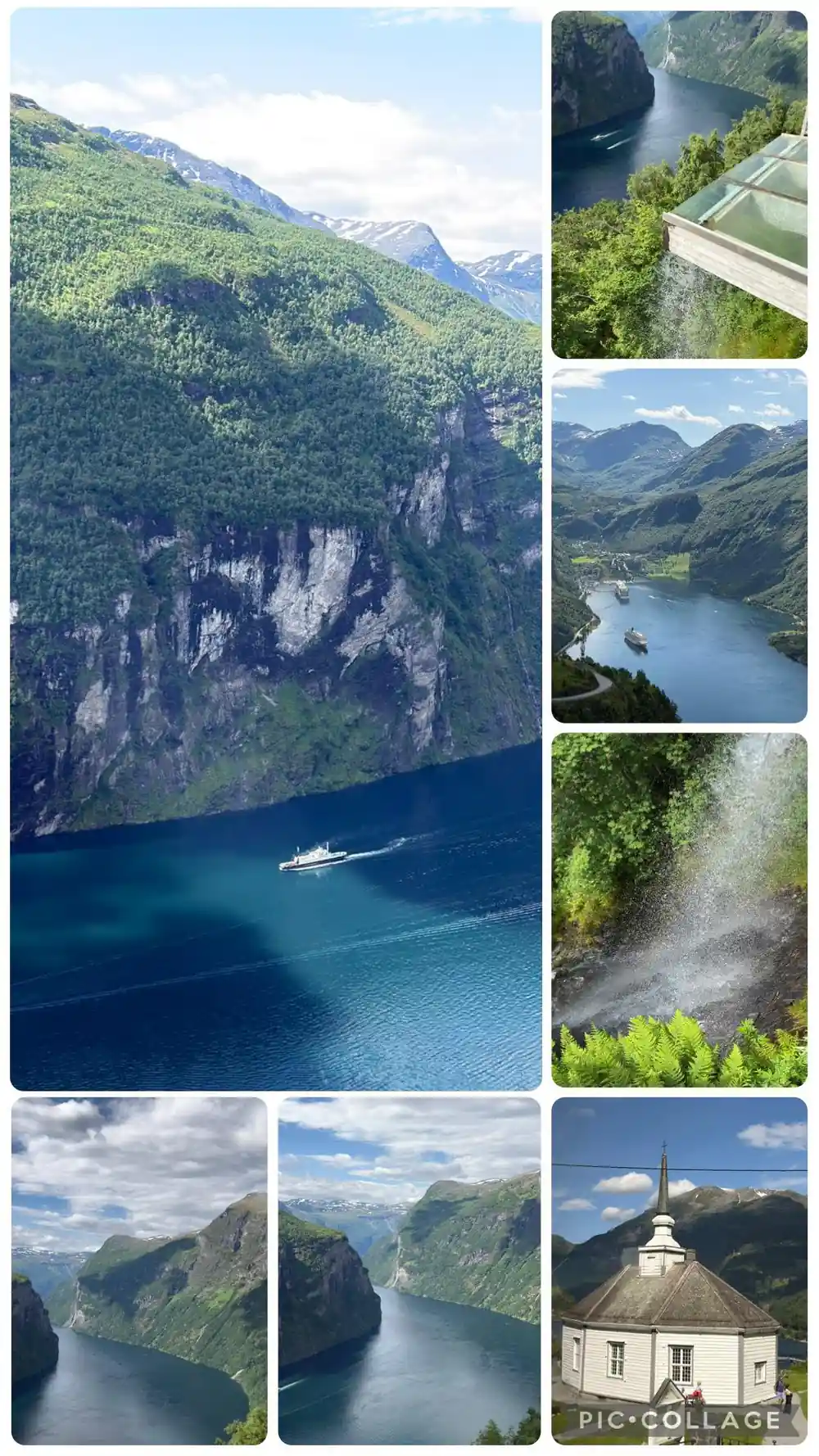
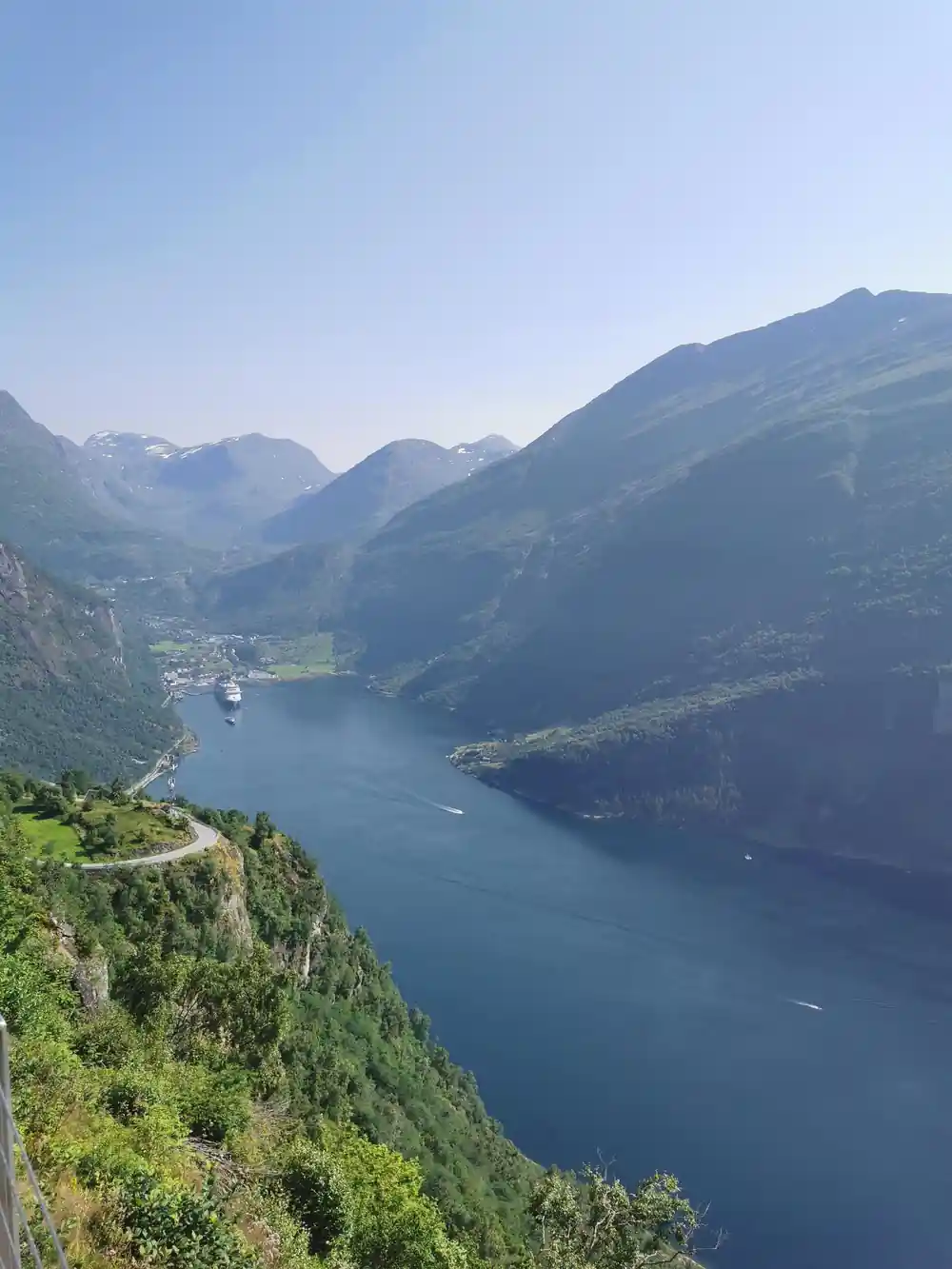
The Geirangerfjord is presented, reasonably enough, as beautiful. The archive does not contradict that. It adds a second thing underneath it, which is that this was a genuinely difficult place to live, and that people did it anyway for centuries on farms most visitors will never learn the names of.
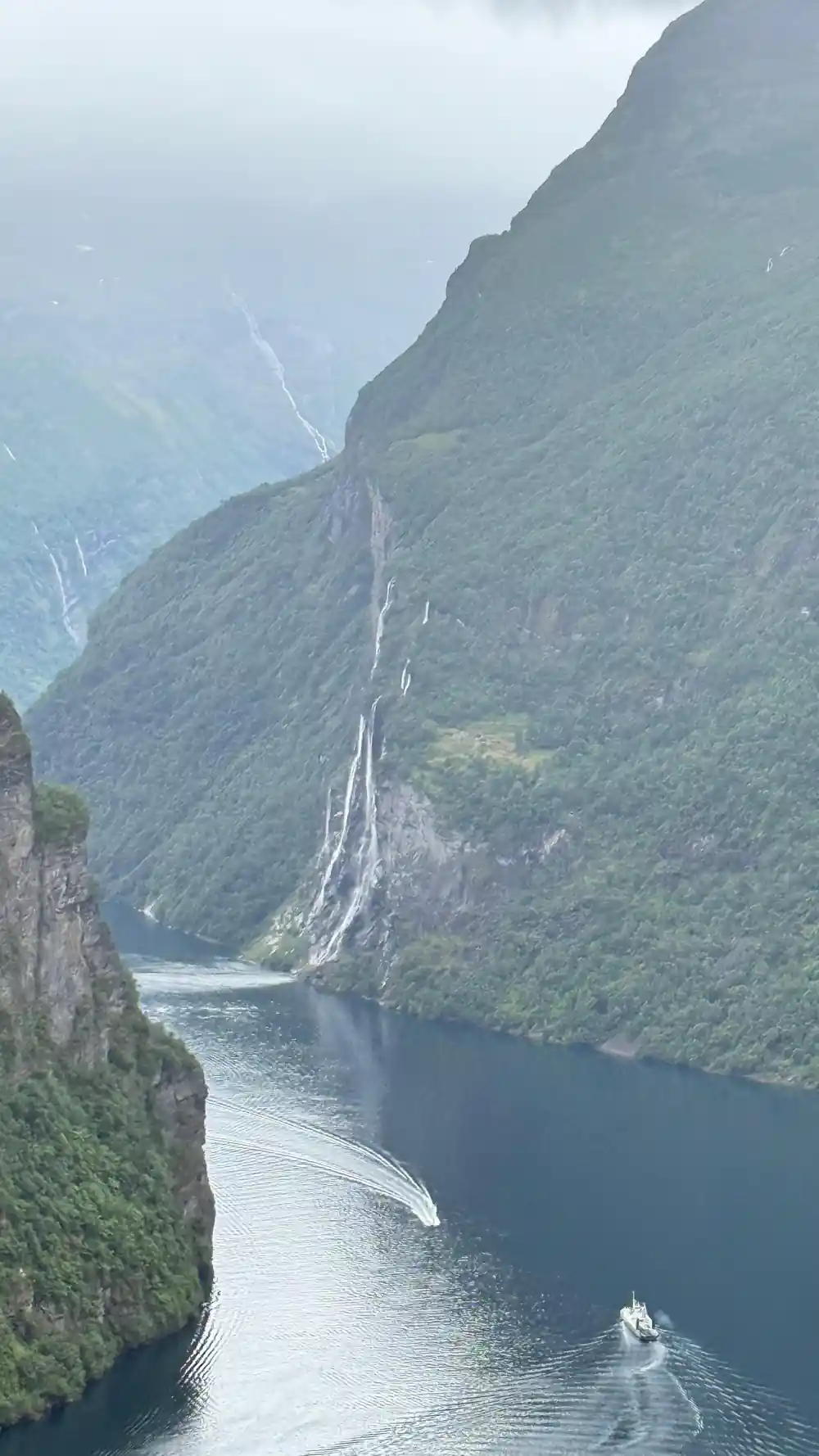
The waterfalls you photograph are the same snow the 1894 report measured over the road. The green shelves on the cliff faces held families who were cut off for months at a time. The road that takes you to the Dalsnibba viewpoint in comfort is the descendant of a crossing whose opening date was a matter of public record.
None of that makes the view less impressive. It makes it a different view.
Four decades of Geiranger winters, as the newspapers recorded them
1894: snow measured over the road
Nordre Trondhjems Amtstidende reports snow at Geiranger measured up to seven alen, about 4.4 metres, over the roadway, after a hard autumn and winter in neighbouring Norangdalen. [1]
1900: ice on the lake in July
A traveller writing in Gudbrandsdølen on 10 July finds snow lying down to the houses at Djupvasshytta and the lake's winter ice wholly untouched. [2]
1903: an avalanche past the farms
Møre Tidende reports a large avalanche at Geiranger on the Wednesday, passing directly by the Gjørvagaardene, the pressure ahead of it strong enough to cause damage by itself. [3]
1907: a committee is appointed
Søndmørsposten names three parish councillors, P. M. Gjørva, P. T. Gausdal and Johan Ørjesæter [4], appointed to handle the aftermath of the avalanche disasters. [4]
1907: the damage is counted
Namdalens Folkeblad carries the committee's assessment of the damage the snow avalanches had done. [5]
1922: houses lost, nobody in them
Søndmørsposten and Bergens Annonce Tidende both report that the residents were at Maråk, some at a party, when the avalanche destroyed their houses and brought down telephone poles between Grande and Maråk. [6]
1930: an early opening
Dagen of Bergen reports the road to Geiranger will be passable by Whitsun, the first time in many years the mountain crossing has opened so early. [7]