At a glance
- From Geiranger the road runs 16 km on county road 63, then 5 km up the Nibbevegen through 11 hairpin bends at a gradient of about 10%.[5][6]
- Toilets are in Geiranger centre, at Flydalsjuvet from mid-May to mid-October, and in the café building at the Dalsnibba summit.[4][5][7]
- Dalsnibba has ramps from the car park to the platform and buildings; Flydalsjuvet and Ørnesvingen are partially wheelchair accessible.[5][7][8]
- All Dalsnibba facilities, toilets included, are universally designed; on the fjord, the GF3 sightseeing boat is fully wheelchair accessible.[4][5]
- Norwegian rules seat children under 3 in approved child safety equipment where it is available, and children from 3 in an ordinary seat belt.[9]
- Top choice Dalsnibba coach tour from US$116 Duration3.5 hoursAccess and limitsRamps at the Dalsnibba stop[5]GuidanceLive guide in EnglishRating4.61 from 2,636 reviews Check availability
- Sightseeing cruise from US$68 Duration75 min to 2 hoursAccess and limitsGF3 boat fully wheelchair accessible[4]GuidanceAudio guide app, 12 languages[4]Rating4.33 from 1,405 reviews See this tour
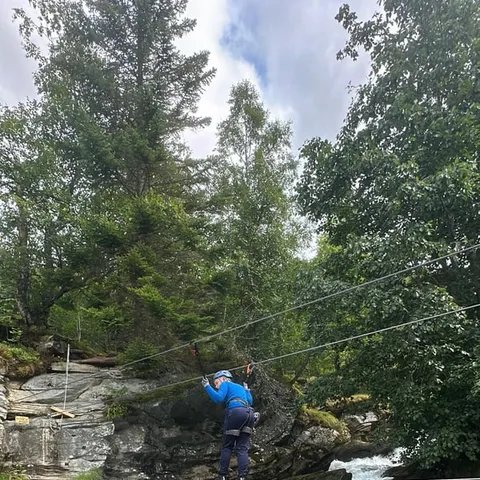
- Zipline park from US$79 Duration30 min to 1.5 hoursAccess and limitsFrom 110 cm and 25 kg[10]GuidanceInstructor, English or NorwegianRating4.70 from 397 reviews See this tour
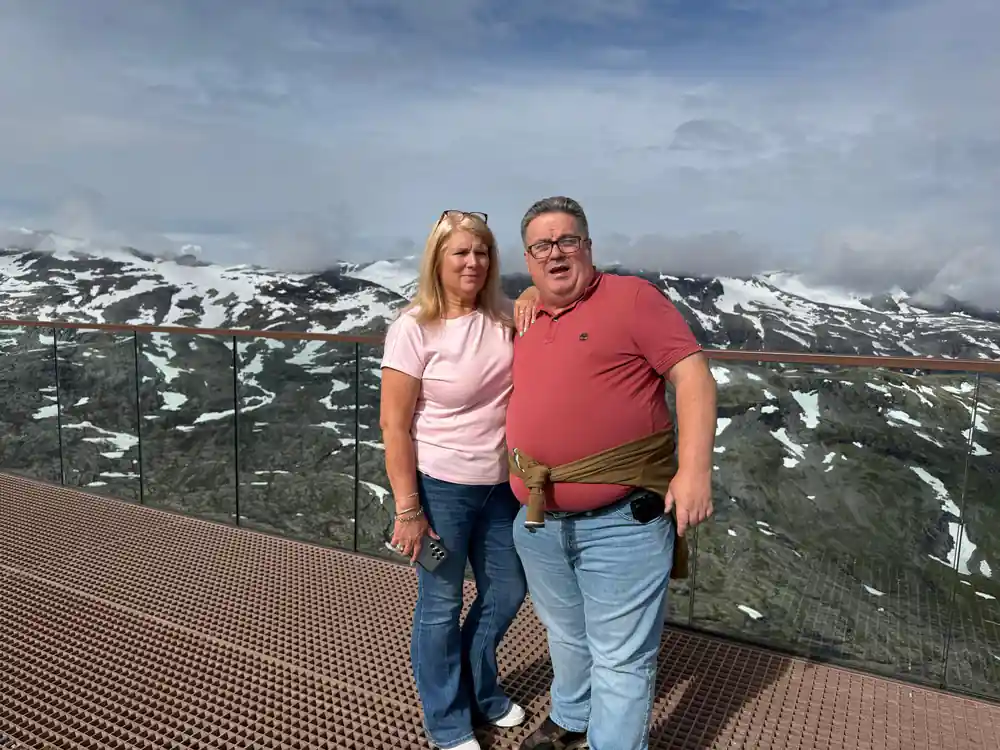
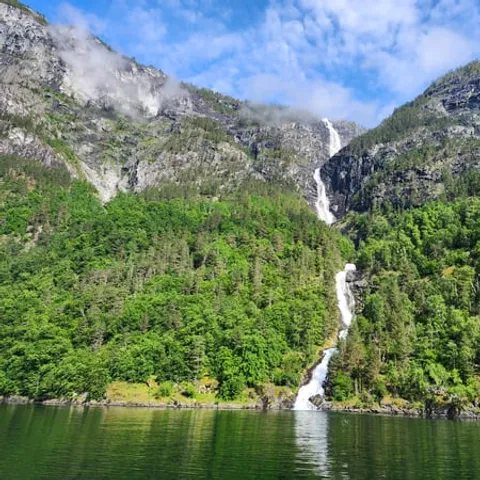
The Geiranger Skywalk Dalsnibba has a universal design and disabled access.
Guests board the boat via a ramp, which can sometimes be a little steep if the water level is high.
Who the Dalsnibba coach tour suits
Check before booking
Back and Spinal Conditions on Mountain Roads
The Geiranger coach tour traverses steep, winding mountain roads with sustained hairpin bends. The vehicle climbs and descends continuously over 3 hours and 30 minutes, with frequent direction changes that create sideways pressure on passengers. If you have a history of back pain, disc problems, or spinal conditions, the constant motion and road curvature may aggravate discomfort. The coach seats offer standard cushioning rather than medical-grade lumbar support.
The road to Dalsnibba, one of four stops on this itinerary, is particularly demanding. Passengers remain seated throughout most of the journey, with limited opportunity to stand and stretch between viewpoints. If your condition requires regular position changes or you cannot tolerate prolonged sitting on moving vehicles, discuss your specific diagnosis with the operator before booking. Those with recent spinal surgery or acute back conditions should seek medical advice first.
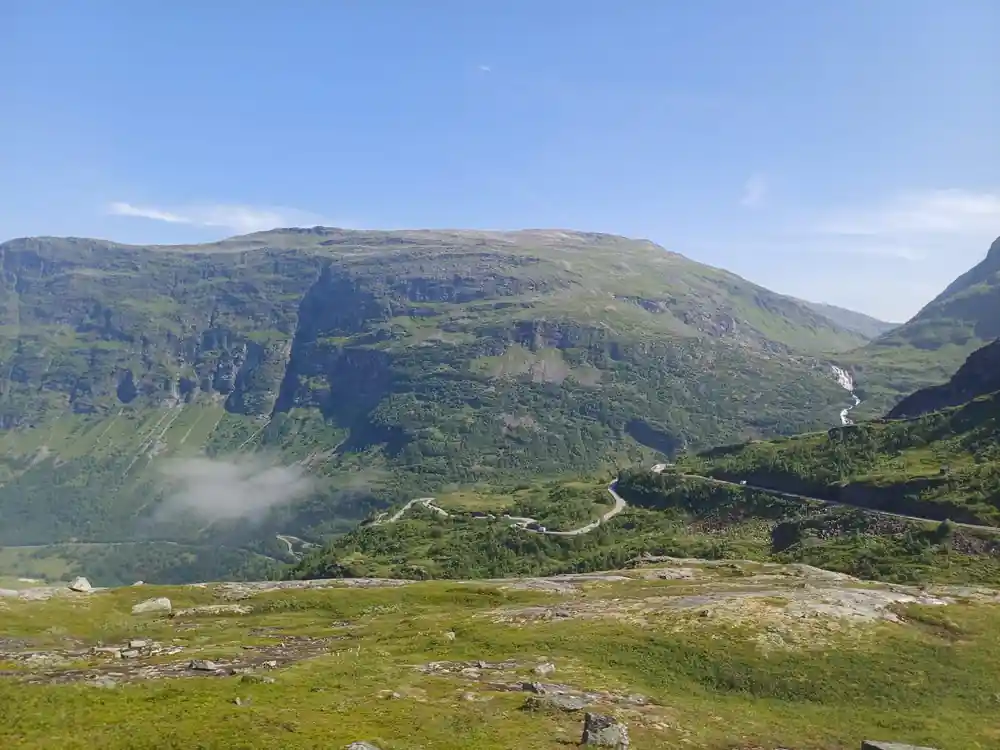
The climb to the summit is short but steep. From Geiranger the road runs 16 km on county road 63 and then 5 km up the Nibbevegen, which has 11 hairpin bends and a gradient of about 10%, and the Dalsnibba operator puts the whole drive at about 30 minutes by car.[5][6] On the Geiranger Fjordservice bus tours in the same area, each viewpoint stop lasts 10 to 15 minutes.[4]
Heart Conditions and Cardiovascular Considerations
Mountain routes at altitude and winding roads can place mild cardiovascular stress on passengers, particularly during the ascent to Dalsnibba. The coach climb involves sustained engine work and continuous curves that may elevate heart rate slightly in sensitive individuals. If you have been diagnosed with angina, heart disease, or have undergone recent cardiac procedures, the physical demands of this tour merit careful consideration.
The tour does not include stops specifically timed for rest or recovery, though the four scheduled viewpoints allow brief exits from the coach. Flydalsjuvet View Point, Djupvatnet Lake, and Eagle Bend offer opportunities to step outside and breathe fresh mountain air. However, some stops involve short walks on uneven ground. If your cardiologist has advised against strenuous activity or extended travel in high-altitude environments, contact the operator to confirm whether this tour matches those restrictions.
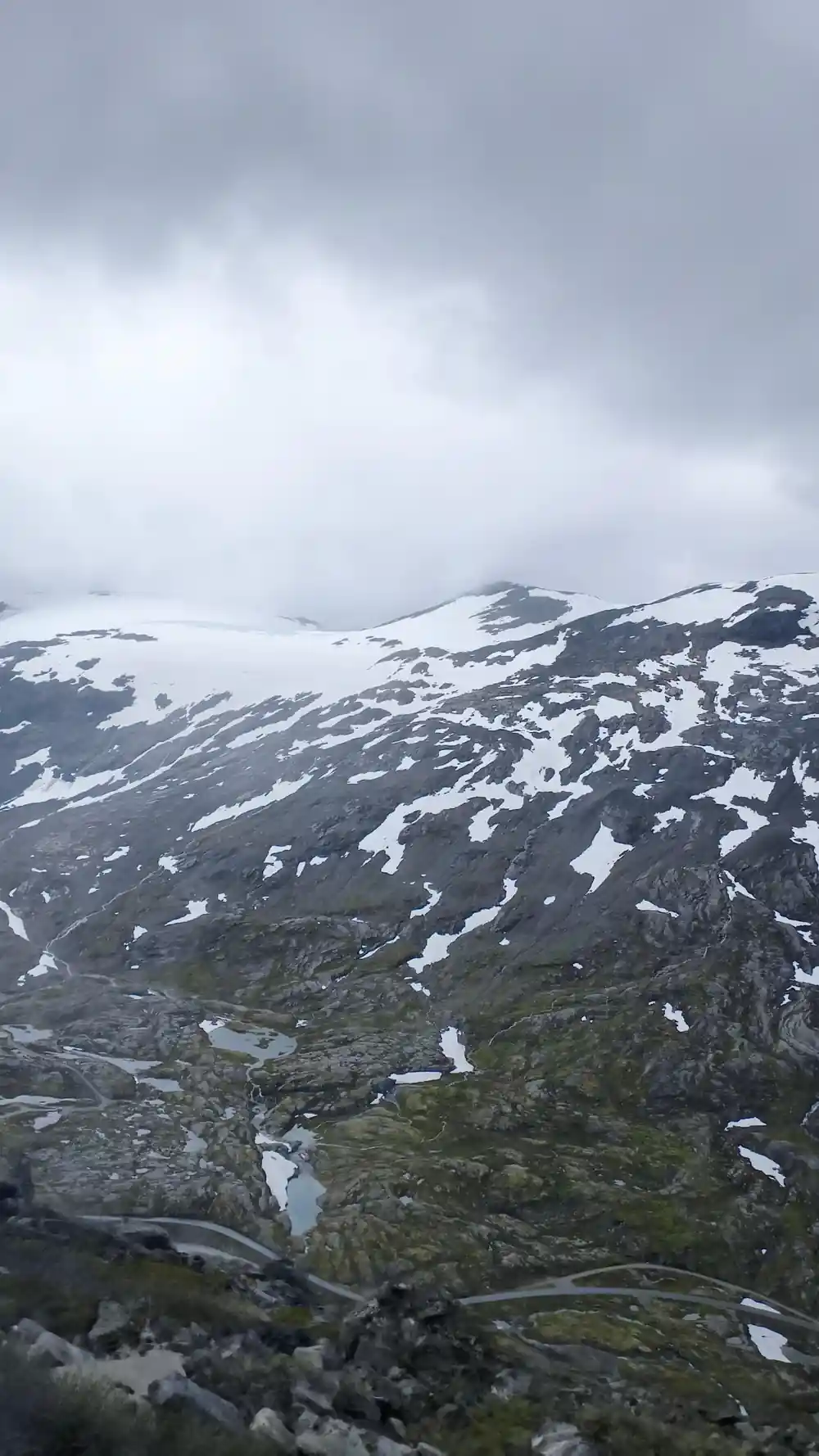
The bigger change at the top is temperature. The Dalsnibba operator says the summit can be 10 to 15 degrees colder than Geiranger, with wind that can feel strong, and recommends warm layers and a windproof jacket even in summer.[5] Vehicles can drive all the way up, and ramps lead from the car park to the viewing platform and the buildings.[5]
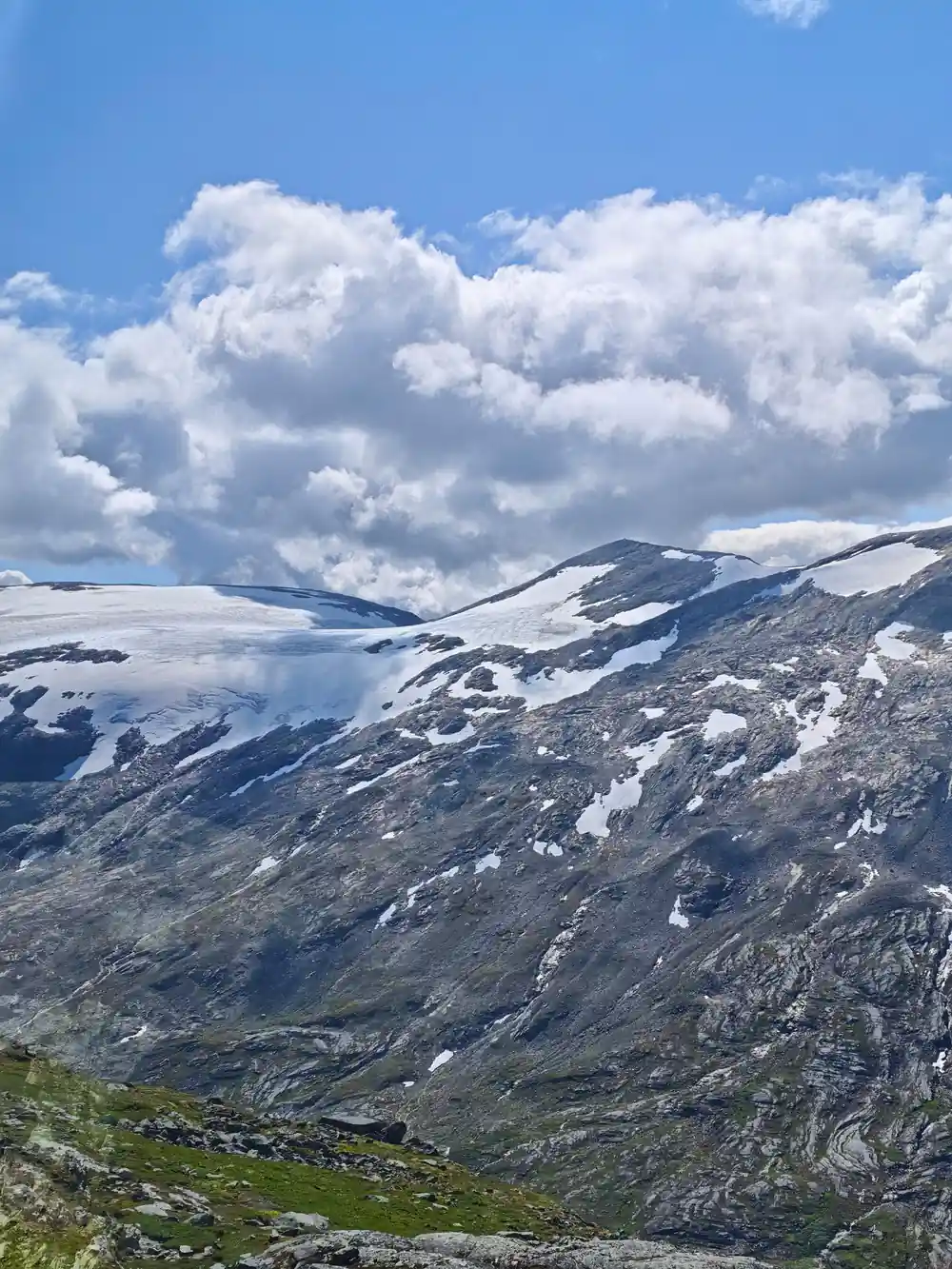
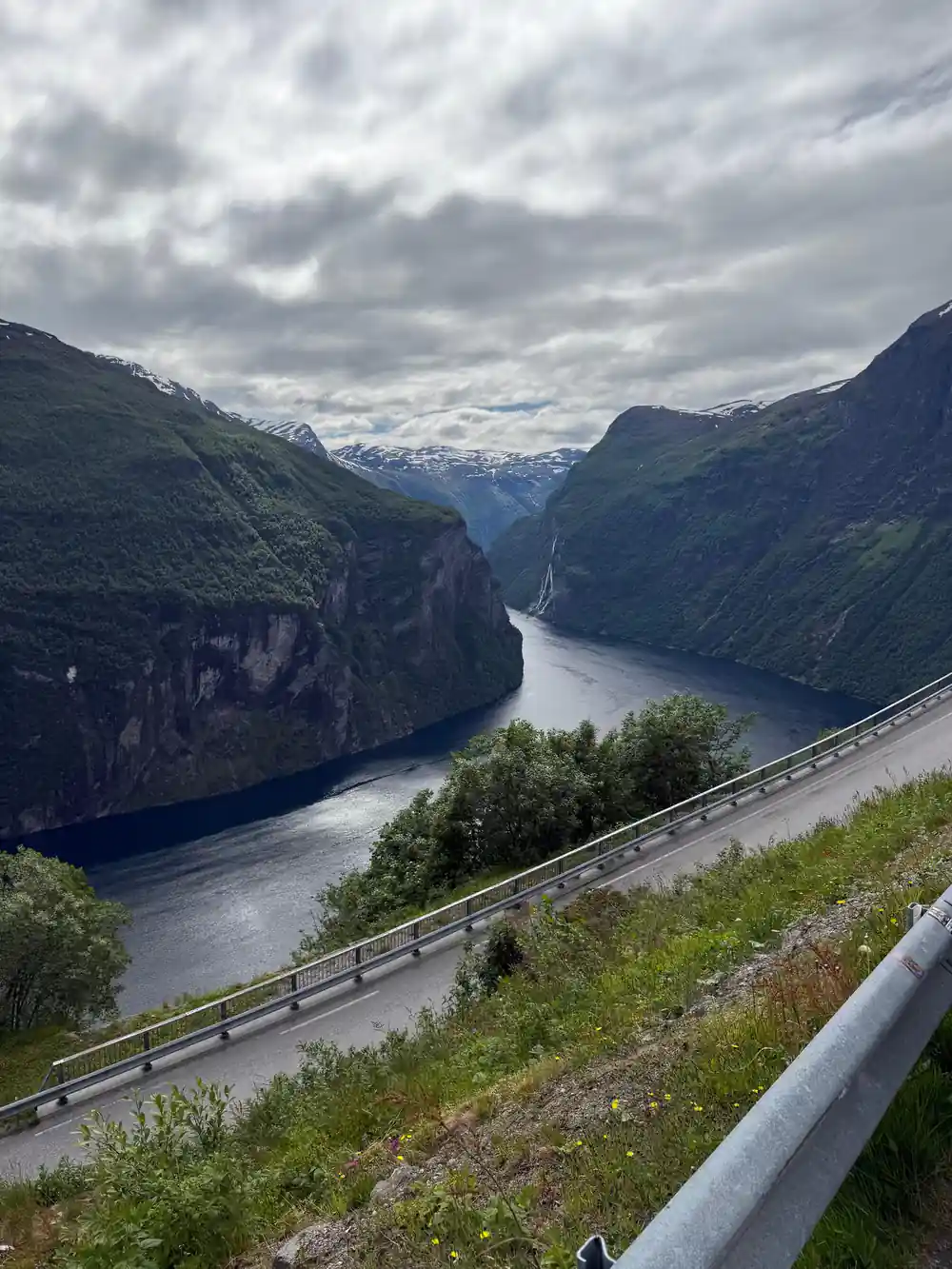
Coach ascending hairpin bend with viewing platform and safety railings visible ahead
Children and Child Seat Availability
The coach accommodates children, but the operator does not confirm whether child seats, booster seats, or safety restraints designed for young passengers are available onboard. Many European coaches do not carry child-specific seating as standard equipment. Before booking with children under 12 or those below standard adult height, contact the operator directly to establish what safety provisions can be arranged. This is essential information if travelling with infants or toddlers.
Children should be prepared for extended sitting during the 3-hour-30-minute journey. The mountain route involves continuous curves that may cause motion sickness in some young passengers. There is no on-board toilet, which is a significant consideration for potty-training children or those prone to travel sickness. Plan accordingly by using facilities at Geiranger before boarding and considering motion sickness remedies if needed.
The Norwegian rules for buses are specific. Children under 3 should use approved child safety equipment where it is available and an ordinary seat belt where it is not, children from 3 use an ordinary seat belt, and a booster cushion is recommended for children under 135 cm. Buses registered after 15 September 2012 are not required to carry fittings for under-3s.[9] For Geiranger with kids, ask the operator what the coach carries before booking a seat for a baby.
Wheelchair and Walker Access Limitations
This is a standard coach tour without wheelchair lifts, ramps, or dedicated accessible seating. Wheelchairs cannot be stored or secured onboard during travel. Passengers using wheelchairs would need to transfer to a coach seat for the entire journey, which many find difficult or impossible. If mobility aids are essential for your independence, this tour is unlikely to be suitable.
Walking aids such as walkers or canes present challenges at the viewpoint stops. Flydalsjuvet, Dalsnibba, Djupvatnet Lake, and Eagle Bend vary in accessibility. Some viewpoints involve uneven ground, gravel surfaces, or kerbs that are difficult to navigate with mobility devices. At the Dalsnibba Skywalk, a main attraction, ramps lead from the car park to the platform. If you rely on a walker or similar equipment, request specific details about ground conditions and step heights at each stop before committing to the tour.
The viewpoints themselves vary. The Dalsnibba operator describes its site as universally designed, with ramps from the car park to the platform and buildings and toilets accessible to all, while Norwegian Scenic Routes lists both Flydalsjuvet and Ørnesvingen, the Eagle Bend viewpoint, as partially wheelchair accessible.[5][7][8]
5
The Dalsnibba summit is universally designed, with ramps from the car park to the viewing platform and toilets accessible to all.[5]
Older Travellers and Physical Stamina
Older passengers travel on this tour regularly, but fitness levels vary significantly. The main demand is tolerating nearly three and a half hours seated on a moving coach. This suits those comfortable with extended coach journeys but may challenge those with limited mobility or restlessness. The four stops provide breaks, but each requires exiting and re-boarding the coach, which involves climbing the coach steps without handrails on all sides.
The Dalsnibba stop is at higher altitude, which some older travellers find tiring. The mountain air is thinner than at sea level, and even gentle walking at the viewpoints can feel more exerting than expected. If you tire easily, have balance concerns, or feel anxious about stepping up and down from a coach repeatedly, consider whether the itinerary's physical demands match your current fitness.
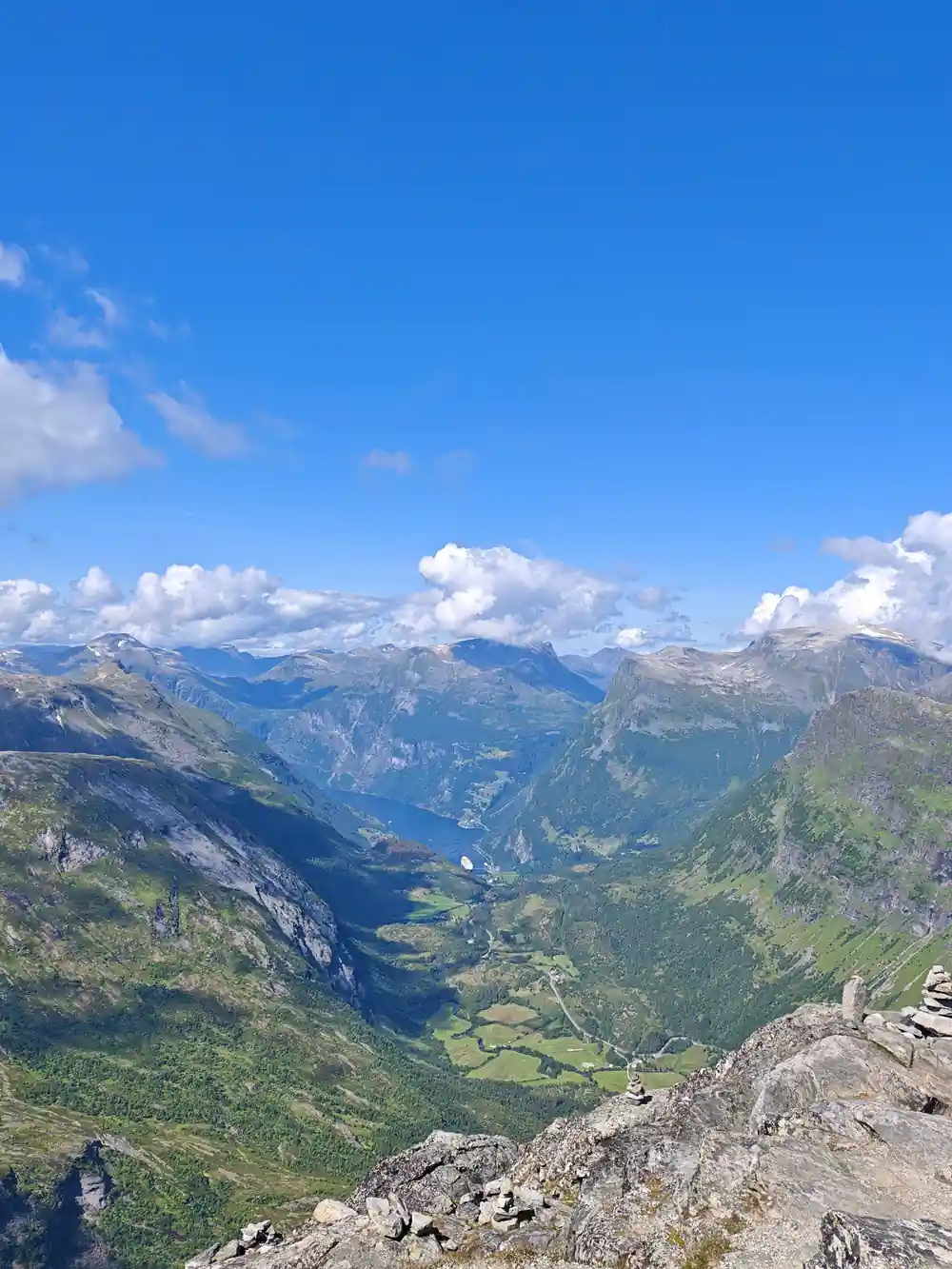
At the summit there is somewhere warm to sit. The Dalsnibba cafe serves cinnamon swirls, cakes, waffles, sandwiches, coffee and tea, with a fireplace to warm up beside, and the Geiranger Skywalk platform outside has an iron grid floor and a glass guard rail above a sheer drop of around 500 m.[5][6]
Toilet Facilities and On-Board Amenities
The coach does not have an on-board toilet. This is a fundamental constraint for a 3-hour-30-minute journey. Use the facilities in Geiranger before boarding. Of the four scheduled stops (Flydalsjuvet, Dalsnibba, Djupvatnet Lake, and Eagle Bend), Flydalsjuvet and Dalsnibba have toilets.
This is a critical factor for anyone with bladder conditions, IBS, pregnancy-related needs, or those taking medications affecting continence. Older travellers sometimes require more frequent toilet access, and this tour does not accommodate that need. Plan ahead by limiting fluid intake before departure and confirming toilet locations at stops if possible. Those with medical conditions requiring regular toilet access should seriously reconsider whether this tour is manageable.
Geiranger Fjordservice lists toilets in the centre of Geiranger, at Flydalsjuvet and on Dalsnibba, and says its own buses have none.[4] The Flydalsjuvet toilets are open from mid-May to mid-October, and all the Dalsnibba facilities, toilets included, are universally designed.[5][7]
Hairpin Bends and Heights: Managing Nervous Passengers
The route features multiple hairpin turns on narrow mountain roads with steep drop-offs, particularly on the ascent to Dalsnibba and at Eagle Bend. If you experience vertigo, fear of heights, or travel anxiety on winding roads, this tour will test your comfort levels. The coach windows provide clear views of the landscape below, which some passengers find thrilling and others deeply unsettling. Seats on the outer edge of the coach offer the most dramatic views and the most pronounced sense of exposure.
There is no option to remain on the coach at viewpoints if you feel too anxious to exit, nor are window coverings available. If you have a genuine phobia of heights or narrow mountain roads, honestly assess your tolerance before booking. The itinerary prioritises scenic views from locations like Eagle Bend specifically because of their dramatic positioning above the fjord. Request a seat on the inner side of the coach if available, bring music or a distraction for the winding sections, and discuss your concerns with the operator when booking.
Nervous passengers can plan each stop in advance. At Flydalsjuvet the viewing platform has an upper and a lower level joined by a walkway, and at Ørnesvingen the view opens across the near-perpendicular mountainsides of the fjord.[7][8] For queasiness on the bends, the NHS advises looking at a fixed point such as the horizon and not reading or using screens.[11]
Minimum age by Geiranger activity
Minimum ages set by Geiranger Fjordservice for its own activities in Geiranger.[4]
Price a Geiranger day for the whole family
Every figure is a "from" price for one adult from each tour's GetYourGuide listing, not a quote. Child prices may differ, so check the listing for your party.[1][2][3]
Timing a family trip to Dalsnibba
Planning for your group
Check the child seat rules
Under-3s use child safety equipment where the bus has it; from age 3, an ordinary seat belt.[9]
Ask about mobility aids
Ask the operator about the coach; the Dalsnibba summit has ramps and accessible toilets.[5]
Use the toilet before boarding
Toilets are in Geiranger centre, at Flydalsjuvet from mid-May to mid-October, and on Dalsnibba.[4][7]
Pack warm layers
The summit can be 10 to 15 degrees colder than Geiranger, and snow often lies into July.[5]
Prepare for the hairpins
Look at a fixed point such as the horizon, and distract children with talk, music or songs.[11]
Bringing the family? See dates for the Dalsnibba coach tour
from US$117Reserve now & pay later