At a glance
- The Dalsnibba road usually opens in mid-May and stays open to September or October; over eleven seasons it opened as early as 12 May and as late as 12 June.[3]
- The port's 2026 list has 33 ship calls at Geiranger in July, the most of any month, under a cap of two calls and 6,000 passengers a day.[6][7]
- Visit Norway describes the Seven Sisters as most visible during the main snowmelt, from May to July.[10]
- Geiranger gets 19 hours 48 minutes of daylight on 21 June, and 5 hours 7 minutes on 21 December.[12]
- Many cafés and restaurants open only in the peak season, and the winter boat from Ålesund usually makes two to three trips a week.[11]
| May-June | July-August | September-October | |
|---|---|---|---|
| Dalsnibba road | Usually opens mid-May[3] | Open, but closes at short notice for snow[3] | Closes in September or October[3] |
| Snow at the summit | Often still lying into June[3] | Often lingers into July[3] | Often on the ground in autumn[3] |
| Ship calls at Geiranger | 7 in May, 24 in June[6] | 33 in July, 24 in August[6] | 21 in September, 4 in October[6] |
| Waterfalls | Snowmelt, most visible[10] | Snowmelt runs into July[10] | After the May to July snowmelt[10] |
| Daylight on the 15th | 17h 35m in May[12] | 18h 54m in July[12] | 13h 7m in September[12] |
| Boats and kayaks | Kayak centre opens in June[9] | Book cruises ahead, some sell out[9] | Kayak centre open to September[9] |
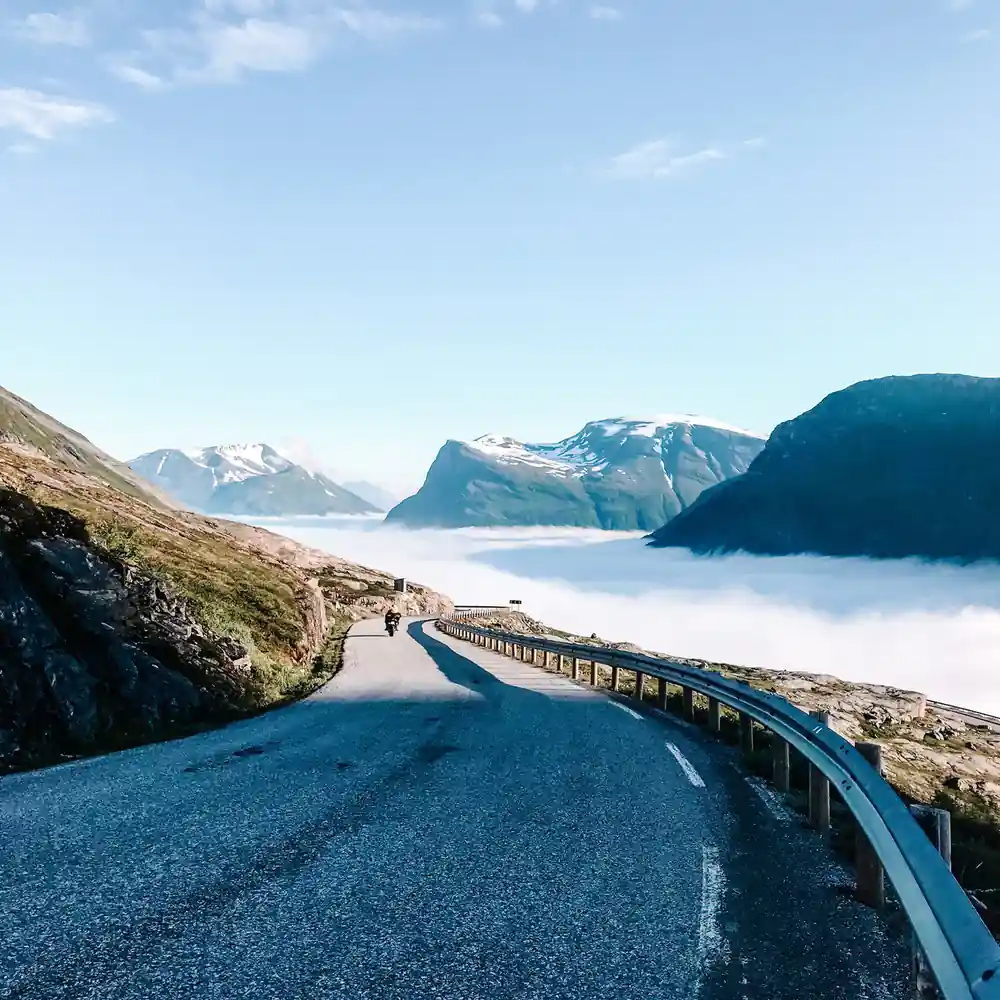
The Norwegian Scenic Route Geiranger-Trollstigen is always closed in winter and normally open from mid-May to October/November, depending on when winter returns.
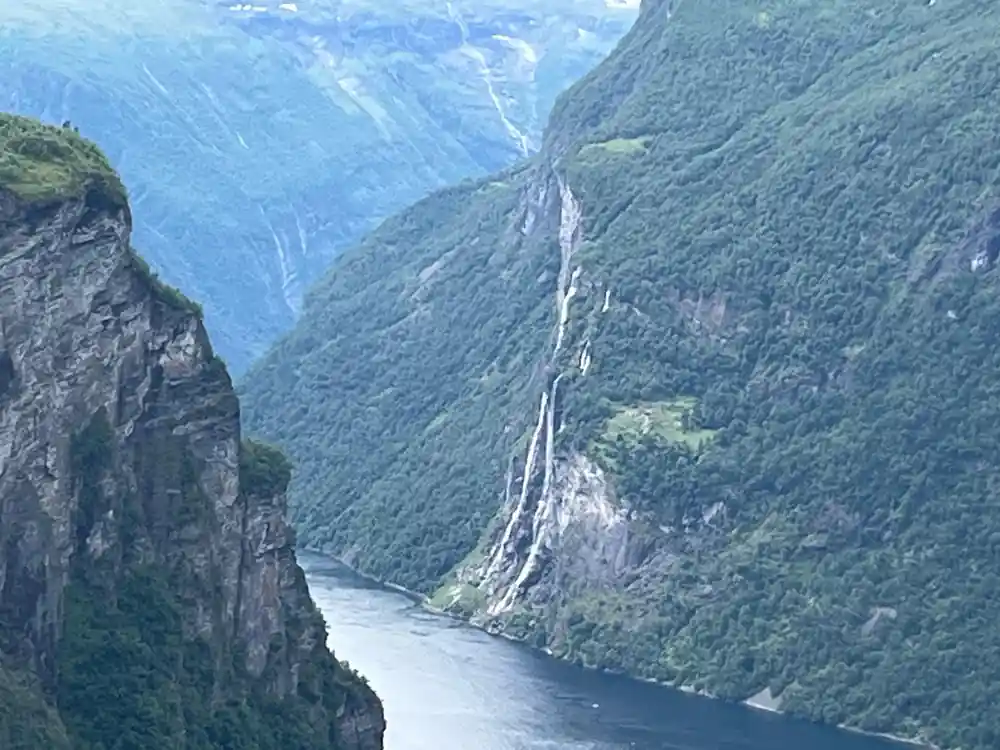
The falls are naturally more visible during the major snow melting period in May-July
Which month to pick
Book ahead in summer
Which month suits a Geirangerfjord trip
No single month wins on everything, because the things people come for peak at different times. The Seven Sisters are at their most visible during the snowmelt from May to July, the days are longest around 21 June, and the Dalsnibba road, which the coach tour booked from this site climbs, usually opens in the middle of May and stays open to September or October.[1][3][10][12]
Set against that is the crowd. Counting the port authority's 2026 list, July brings 33 cruise ship calls to Geiranger, more than any other month, while June and August each bring 24.[6] June gives most of what July gives with fewer ships. September is quieter again, but the season is ending: the summit road can close for snow at short notice, and on 9 September 2026 it did.[3][4]
Whatever the month, plan for rain. Geiranger Fjordservice runs its sightseeing boats in all weather conditions and tells visitors to be prepared for some rainfall during their stay, with sensible clothing for cool and wet weather.[9] On a boat there is some windchill to allow for as well, and at the Dalsnibba summit the operator recommends warm layers, a windproof jacket and good shoes even in summer.[3][9]
Geirangerfjord summer: what runs and what to book
Geiranger Fjordservice's sightseeing cruises leave several times a day in summer, and the company recommends booking ahead from June to August because some departures sell out. Its kayak centre opens every day from June to September, weather permitting.[9] Daylight is already long: 17 hours 35 minutes on 15 May, rising to the June peak and still 16 hours 9 minutes on 15 August.[12]
The same months bring the pressure on everything else. The operator advises booking guided kayak tours online in the June to August main season, and says that its e-bikes, usually easy to get, can all be rented out in those months.[9] Its bus tours are timed around cruise ship arrivals and departures, so they vary from day to day, and they are often sold out.[9]
The Dalsnibba coach tour booked from this site starts from US$116 for 3.5 hours and stops at Flydalsjuvet, Dalsnibba, Djupvatnet and Eagle Bend. It can be cancelled free of charge up to 24 hours ahead, so a summer date booked well in advance can still be dropped up to 24 hours before.[1]
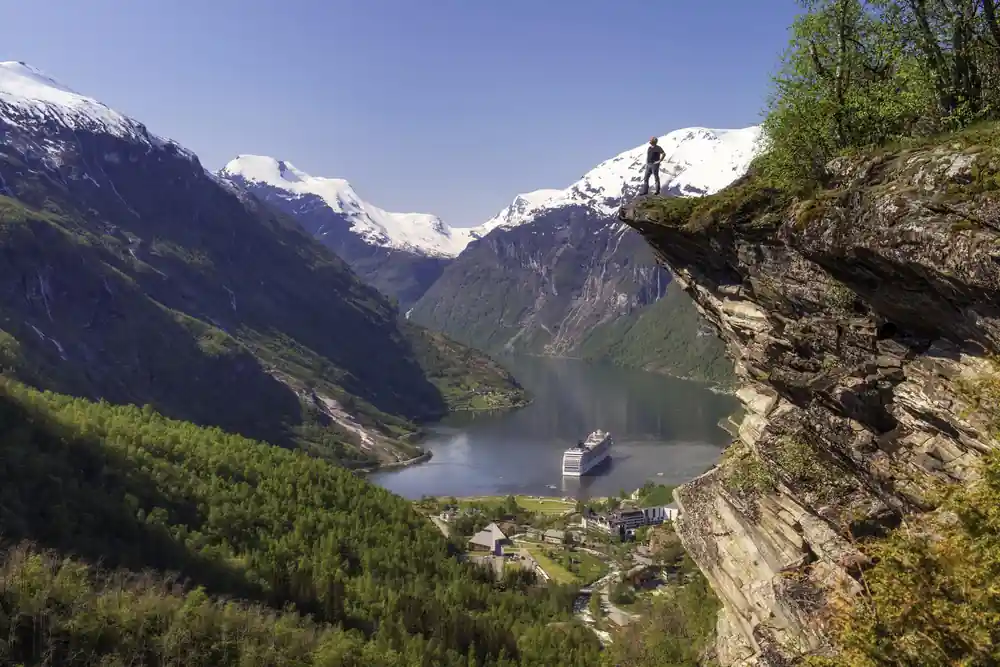
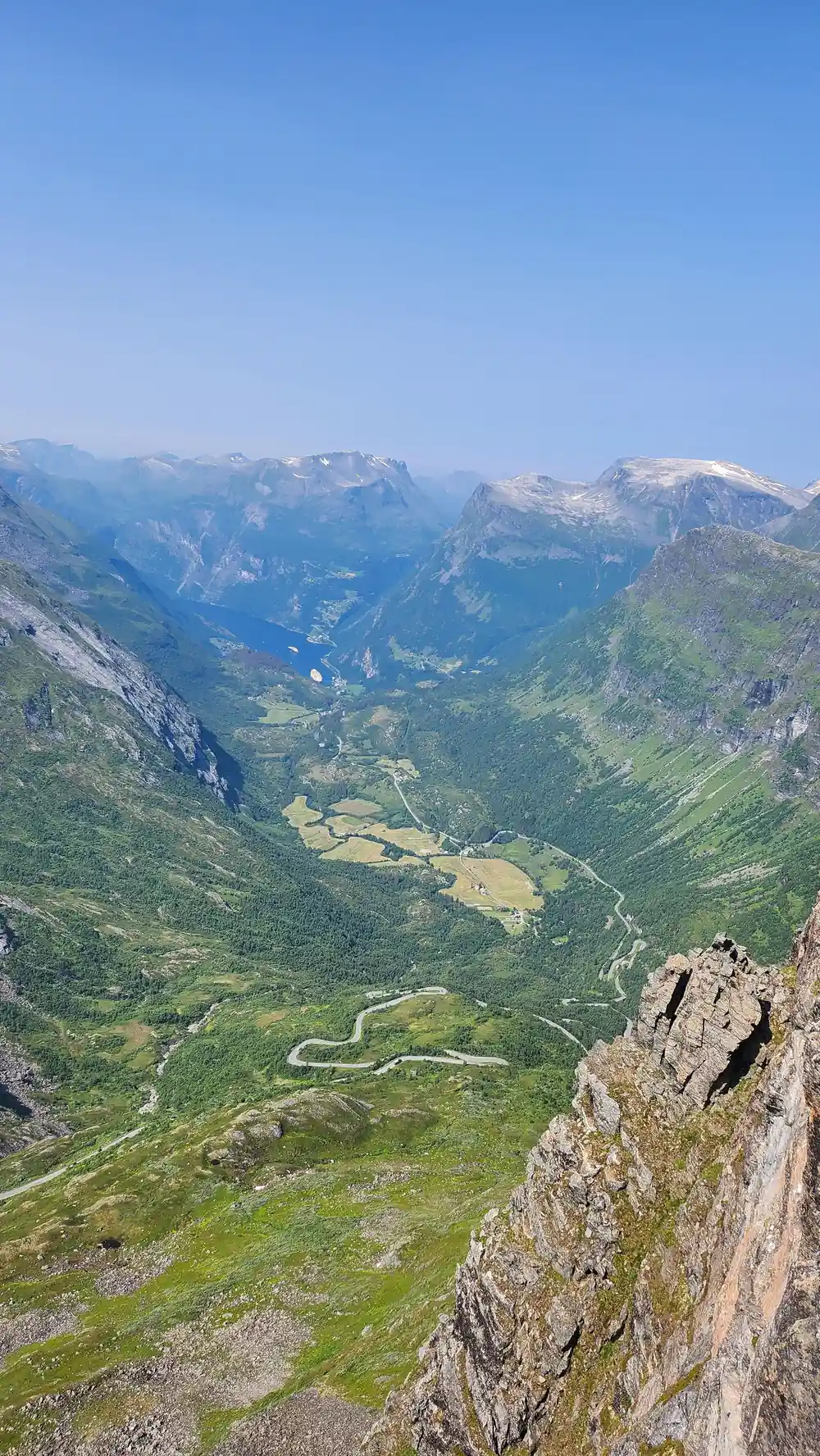
Snow often still lies at the Dalsnibba summit into June and July
Geirangerfjord in July: crowds and cruise ships
July is the height of the cruise season. The port authority's 2026 list runs from a first call on 4 April to a last on 7 November. Counting the calls that reach Geiranger itself, July has 33, June and August 24 each, and September 21.[6]
The port authority does limit the numbers. Stranda Port Authority says it has already introduced a limit of two cruise calls and a ceiling of 6,000 passengers a day in Geiranger.[7] On the Geirangerfjord, August is a little calmer than July by that measure, with the same number of ship calls as June.[6]
On a busy day the answer is to fix the parts that sell out before you arrive. The sightseeing cruise operator sends a PDF ticket with a QR code that can be shown on a phone, and recommends booking ahead in the June to August high season.[9]
When the waterfalls run fullest
The waterfalls of the Geirangerfjord depend on the mountains above them. Visit Norway describes the Seven Sisters as most visible during the main snowmelt, from May to July, and notes that the water level depends on the thaw and on rainfall, which can decide whether all seven streams show equally clearly.[10]
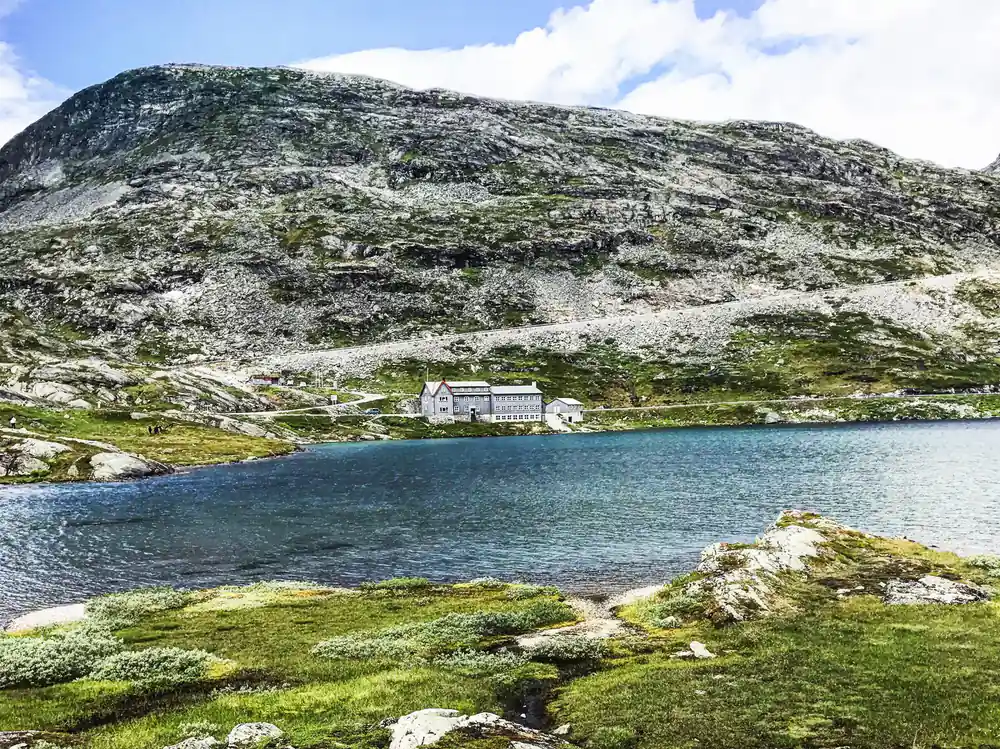
Early summer is also when snow still lies high up. The Dalsnibba operator says snow often remains at the summit into June and July, enough for children to have a snowball fight in midsummer.[3]
The Seven Sisters are best seen from the water, and a boat trip on the fjord is the way Visit Norway recommends viewing them.[10] In deep winter the picture changes: the same falls sometimes freeze in midwinter.[11]
19 h
Geiranger gets 19 hours 48 minutes of daylight on 21 June, and just 5 hours 7 minutes on 21 December.[12]
Mountain roads, and when Dalsnibba opens
When is Dalsnibba open? Usually from the middle of May to September or early October. The operator's own record of past seasons shows how much that moves: in 2025 the road ran from 12 May to 3 October, in 2020 it did not open until 12 June, and in 2018 it closed on 20 September.[3]
Even inside the season the road is not guaranteed. The operator closes it at short notice when snow, ice or bad weather threaten, and early and late in the season it is shut at night.[3][4] The drive from Geiranger is 16 km on county road 63 and then 5 km on the Nibbevegen itself, with 11 hairpin bends.[3] Drivers who buy a Dalsnibba road ticket in advance get it refunded if the road is closed when they arrive.[3]
The road over the mountains into Geiranger has its own season. Norwegian Scenic Routes gives 27 April and 17 June as previous opening dates for the Langvatnet to Geiranger stretch, and 18 November and 9 January as previous closing dates. After opening, it can still close for periods at night and in bad weather.[5]
September, October and the end of the season
In the Geirangerfjord, September is when the season turns. The port list still shows 21 ship calls at Geiranger that month and only 4 in October, and daylight falls from 13 hours 7 minutes on 15 September to about 10 hours on 15 October.[6][12] At the other end of the year the list thins out in the same way, with 4 calls in April and 2 in November.[6]
The mountain is the risk. Across the operator's record from 2015 to 2025, the Dalsnibba road closed on dates between 20 September and 18 October, and the kayak centre's season runs until September.[3][9] Snow is often on the ground at the summit in spring and autumn, and the operator says winter clothing may then be needed.[3]
A late-season date works best with some slack in the plan. The coach tour booked from this site can be cancelled free up to 24 hours ahead, and the sightseeing boats on the fjord run in all weather.[1][9]
Winter visits and the live webcams
A Geirangerfjord winter visit is a different trip. Since most visitors come in summer, many cafés and restaurants open only in the peak season, and the boat usually makes two to three trips a week, as a day tour that starts and ends in Ålesund.[11] A winter fjord cruise from Ålesund to the Geirangerfjord can be booked from US$325 for nine hours.[2]
Winter has its own event, the Light Art Festival at the end of February, with light installations along the river and by the harbour in Geiranger.[11] The days are short: on 21 December daylight lasts 5 hours 7 minutes.[12] The northern lights are not a reliable draw either: the Dalsnibba operator says Geiranger lies too far south for them to be seen regularly, although periods of strong solar activity can bring a sighting.[3] Hotel Union has two restaurants, outdoor pools and spa treatments, with activities for children all year round.[11]
Whatever the season, look before you go. The port authority's Geirangerfjord webcam page carries live feeds from Geiranger, Hellesylt, Hellesyltfossen and Strandafjellet, and the Dalsnibba operator runs a summit webcam and recommends checking it before a visit.[3][8]
Cruise ship calls at Geiranger, 2026
Counted from the port authority's 2026 cruise list; cancelled calls and calls only at Hellesylt are left out.[6]
Price a Geiranger day, summer or winter
Every figure is a "from" price for one adult from each tour's GetYourGuide listing, not a quote. Child prices may differ, so check the listing for your party.[1][2]
Dates that shape a Geiranger trip
Picking your month
Decide what matters most
Waterfalls peak in the May to July snowmelt, days are longest around 21 June, and July brings the most ships.[6][10][12]
Check the summit road season
The Dalsnibba road usually runs mid-May to September or October; past openings range from 12 May to 12 June.[3]
Book the parts that sell out
From June to August book cruises online; the Dalsnibba coach tour cancels free up to 24 hours ahead.[1][9]
Watch the webcams
Look at the Dalsnibba summit webcam and the port's live feeds before heading out.[3][8]
Pack for rain and cold
Boats run in all weather, and the summit can be 10 to 15 degrees colder than Geiranger.[3][9]
Planning a summer date? See when the Dalsnibba coach tour runs
from US$117Reserve now & pay later